The Jurisdiction Thereof
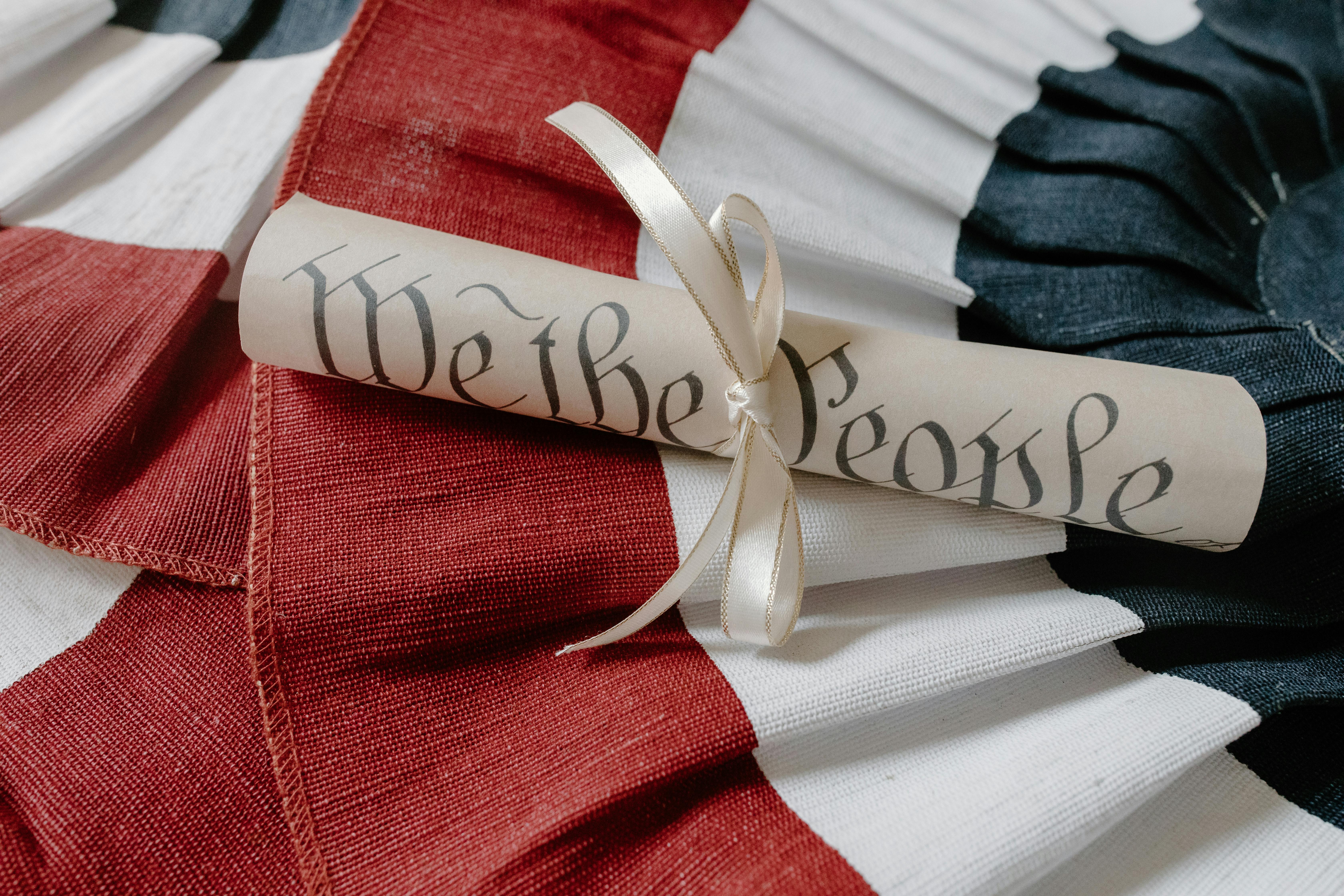
There is a clause, written into the Fourteenth Amendment in 1868 by men who had just watched a war kill six hundred thousand of their countrymen over the question of who counts as a person, and it reads with a plainness that ought to embarrass the lawyers now paid to complicate it: "All persons born or naturalized in the United States, and subject to the jurisdiction thereof, are citizens." That is the whole of it. The Republic, having once decided that a man could be property, decided in its grief that a child born on its soil could never again be a stranger to it.
I am a conservative, which means, among other things, that I believe in the written word over the willful man, in the text over the temper of whoever happens to hold power this season. And so I find myself, this June, in the strange and clarifying position of defending that clause against a president of the party I most often vote with.
In January of 2025, on his first day in office, Donald Trump signed an executive order purporting to end birthright citizenship for the children of those here illegally or only temporarily. The order has never taken effect; lower courts blocked it as likely unconstitutional, and now the case, Trump v. Barbara, sits before the Supreme Court, which will rule before the month is out. The government's argument turns on a sly reading of the word "domicile," a theory that the Constitution does not quite mean what it plainly says. Chief Justice John Roberts, no enemy of this administration, called the argument "quirky." Justice Amy Coney Barrett, whom the president himself placed on that bench, took the government's lawyer apart with the patience of a woman correcting a bright but lazy student.
They are right to be skeptical. In 1898, in United States v. Wong Kim Ark, the Court already answered this question, holding that a child born here to parents who were themselves barred from citizenship was nonetheless a citizen, fully and irrevocably. That is the law. It has been the law for a hundred and twenty-eight years, through depressions and wars and every fevered season of nativism the country could manufacture.
Understand what is at stake, and you will see it is not only immigration. It is the question of whether the meaning of the Constitution belongs to the men who wrote and ratified it, or to whichever executive can summon a clever enough lawyer. A conservatism that cheers when its own man rewrites the founding charter by decree has forgotten the thing it was meant to conserve. The rule of law is not the rule of our friends. It is the wall that stands when our friends are gone and our enemies hold the pen.
A child will be born tonight, in a hospital in El Paso or Hartford or Fresno, to parents with no papers and no power. The Constitution says that child is one of us. The only question left is whether we still mean it.